

The Delhi High Court observed that the couple had two children, and if the FIR is not invalidated, it could adversely affect the lives of both the couple and their children.
Thank you for reading this post, don't forget to subscribe!
NEW DELHI: The Delhi High Court has quashed a case against an individual previously accused under the Protection of Children from Sexual Offences (POCSO) Act, after acknowledging that he was in a relationship with the victim and subsequently married her. This decision, delivered by Justice Rajnish Bhatnagar, has stirred discussions about the complexities of legal age, consent, and the impact of criminal proceedings on familial and social relationships.
ALSO READ: Kerala HC Judge Critiques POCSO Court Conditions
Justice Bhatnagar’s ruling was influenced by the unique circumstances of the case, where the couple, despite opposition from the girl’s family, entered into a relationship. The court noted that sexual relations were established with the consent of the minor girl, who was on the verge of reaching the age of majority at the time of the incident. This aspect of the case played a crucial role in the court’s decision-making process.
The court observed that the incident was a result of
“immature acts and uncontrolled emotions of two persons,”
highlighting the delicate nature of the case, which involved a minor. The judgment emphasized that the continuation of the FIR and subsequent legal proceedings would lead to a minimum of ten years of incarceration for the man, a situation that would adversely affect the lives of the couple and their children.
In a poignant statement, the court remarked,
“The mistake or blunder, which otherwise constitutes an offence, has been committed due to immature act and uncontrolled emotions of two persons, out of whom, one was a minor, on the verge of majority, at the time of the incident as claimed by the state. The petitioner’s prosecution and conviction will lead to pain and tears in the eyes of the family members of both the parties and future of two families will be at stake, whereas, if the impugned FIR is quashed, it would serve the ends of justice and would bring joy to both the families and two minor children as well.”
This decision by the Delhi High Court underscores the complexities involved in cases where the boundaries of legal age and consent intersect with personal relationships. It also reflects the court’s consideration of the broader implications of legal proceedings on the lives of those involved, particularly in cases where subsequent developments, such as marriage and the birth of children, significantly alter the context in which the alleged offence was committed.
The ruling is expected to contribute to the ongoing discourse on the application of the POCSO Act, particularly in cases involving young individuals close to the age of majority and in relationships that evolve over time. It highlights the need for a nuanced approach in the legal system, one that considers the individual circumstances of each case while upholding the law.
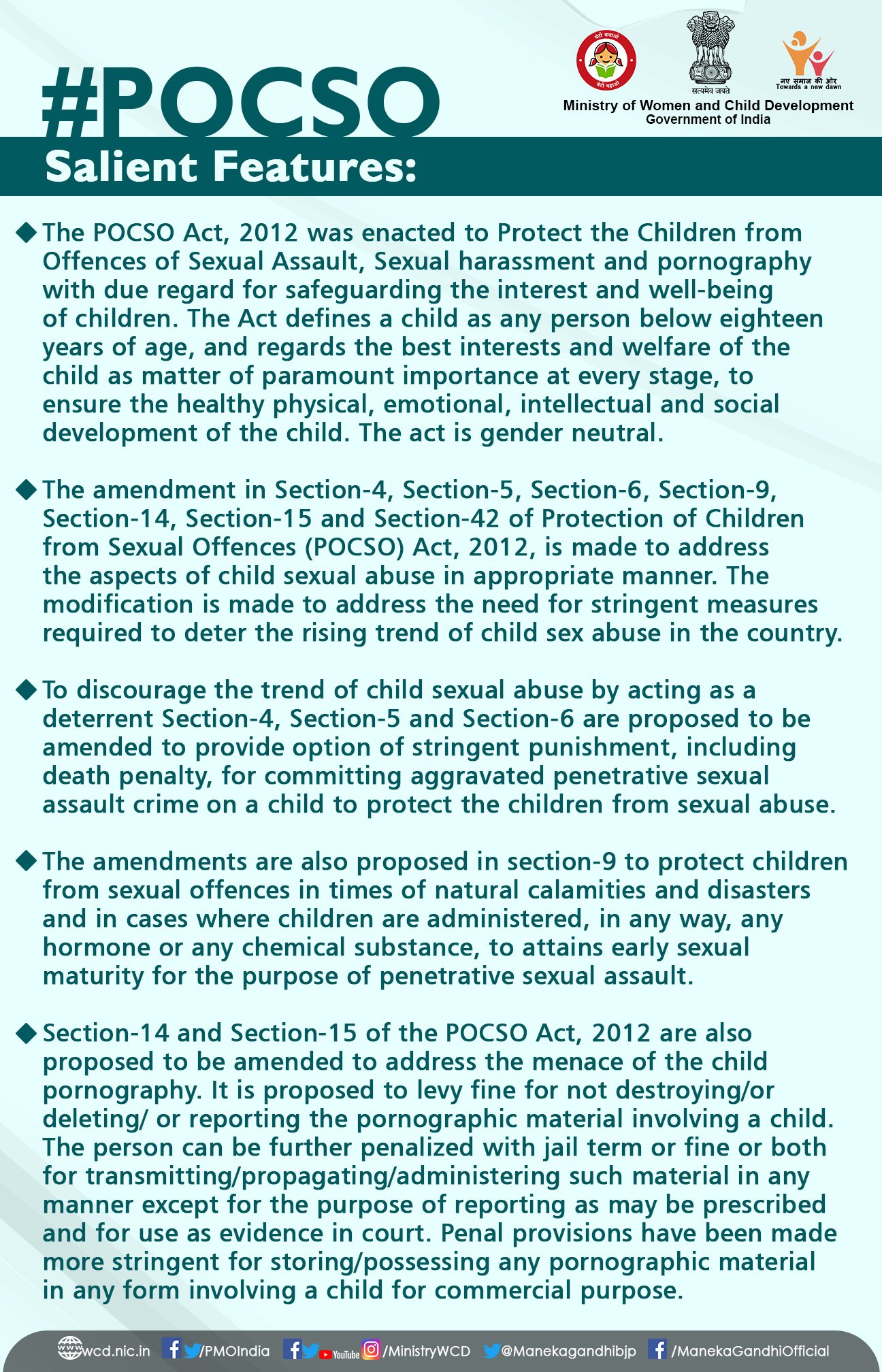
As the judgment resonates across legal and social spheres, it brings into focus the delicate balance the judiciary must maintain between enforcing the law and acknowledging the evolving nature of personal relationships and societal norms. The case from the Delhi High Court is a reminder of the intricate challenges faced by the legal system in addressing issues that lie at the intersection of law, society, and personal life.
CASE TITLE: [Prem Kumar v The State & Ors].
[Read Judgment]
FOLLOW US ON YOUTUBE FOR MORE LEGAL UPDATES
